
Lost Your Locking Wheel Nut Key? Here’s What Actually Happens Next
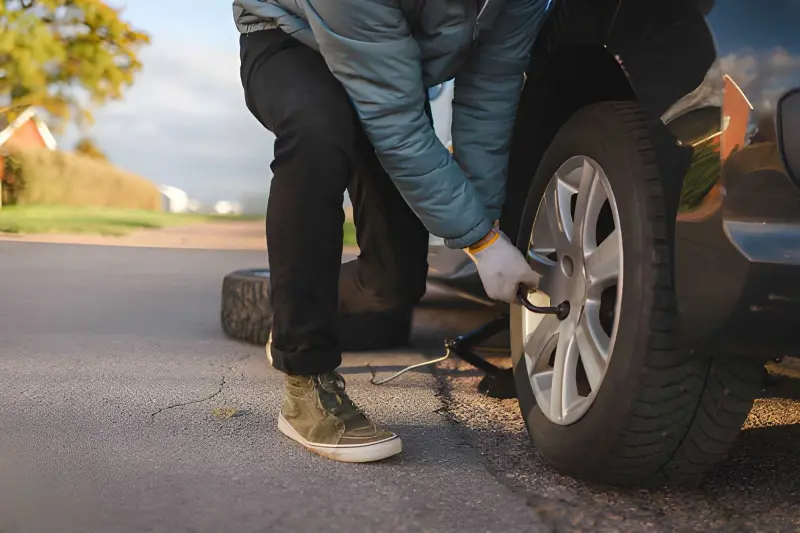
Short answer: If you’ve lost your locking wheel nut key, you still have options — you can try to source a replacement key using your wheel’s unique code, or have a specialist mechanically remove the locking nut without one.
What To Do After a Tyre Blowout
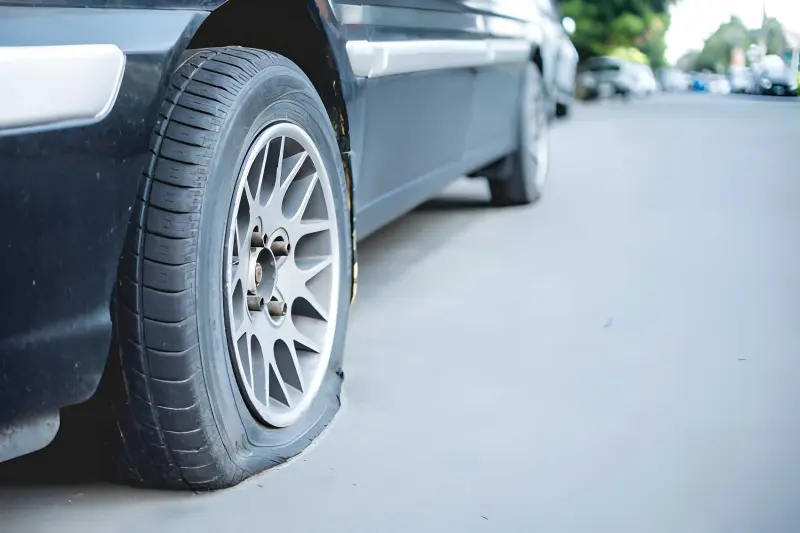
A tyre blowout is a sudden, complete loss of air pressure that can happen in less than a second, and it can make a car pull hard to one side. If it happens to you, the immediate priority is to keep both hands firmly on the wheel, avoid braking hard, and ease off the accelerator gradually until you can pull onto a safe, flat area away from moving traffic.
When Can a Punctured Tyre Be Repaired?
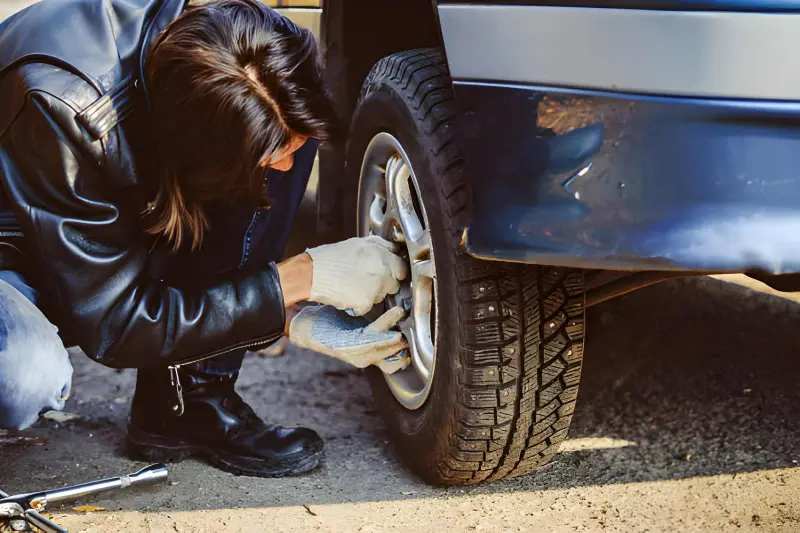
A punctured tyre can usually be repaired if the damage is a small, straight puncture no larger than 6mm, sits within the central three-quarters of the tread, and the tyre hasn’t been driven on while flat. If the puncture is in the sidewall, near the shoulder, larger than 6mm, or the tyre shows signs of internal damage, it needs replacing rather than repairing.
Can You Drive With a Slow Puncture?
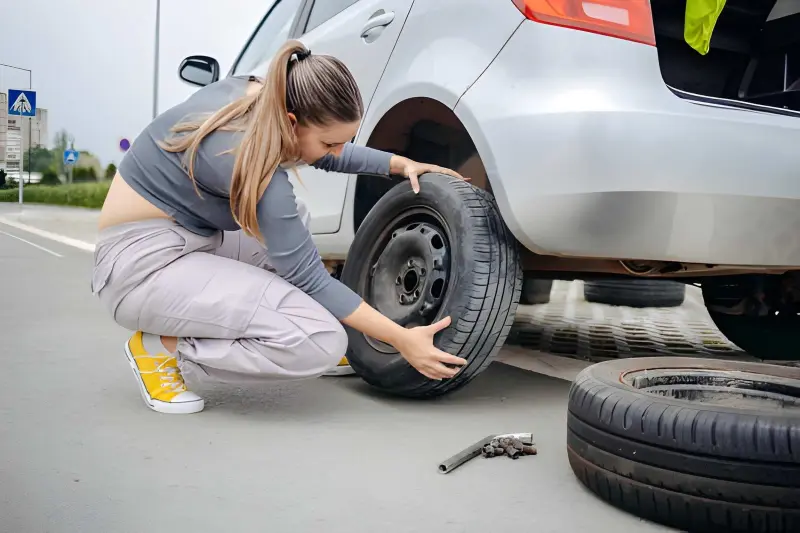
Short answer: Yes, you can usually drive a short distance with a slow puncture, but only carefully, at reduced speed, and only until you can get it checked or repaired — driving on it for days or weeks risks a blowout, wheel damage, and an MOT failure.
What To Do If You Get a Flat Tyre on the Motorway

A flat tyre on the motorway is one of those moments where panic can take over fast. The short answer: don’t brake sharply, don’t try to change lanes suddenly — instead, ease off the accelerator, keep the wheel steady, and aim for the hard shoulder or nearest exit, indicating early so other drivers see you coming.