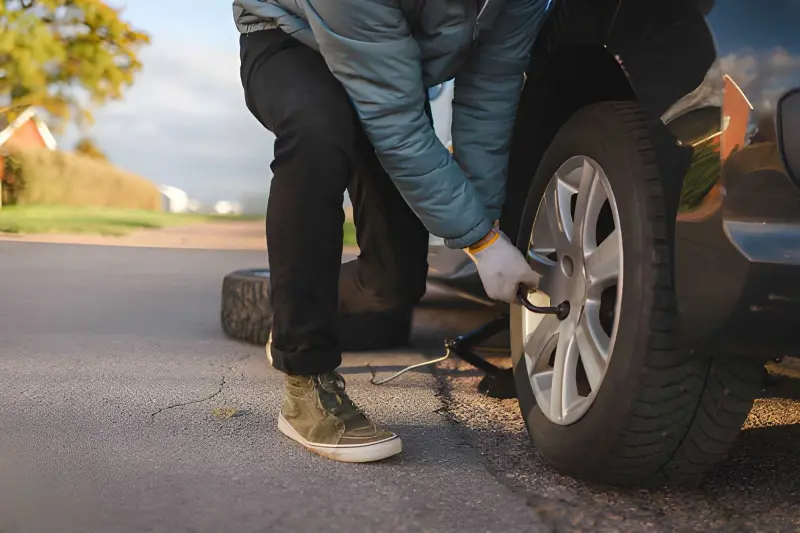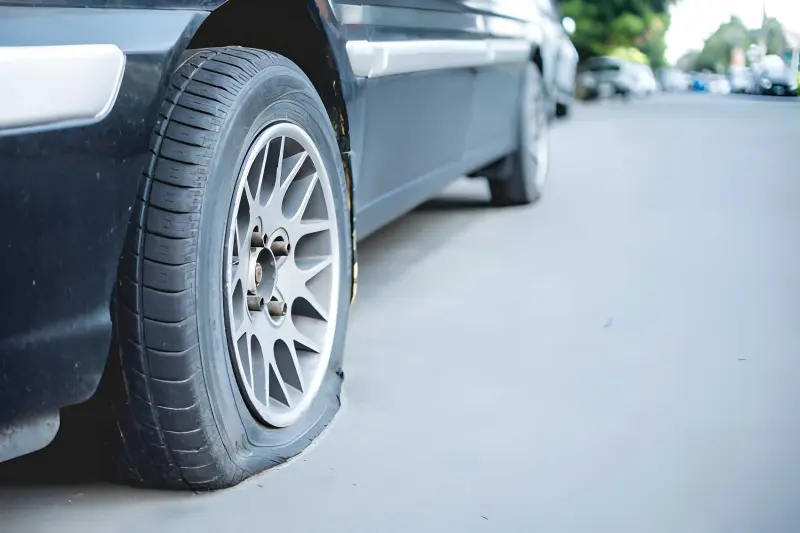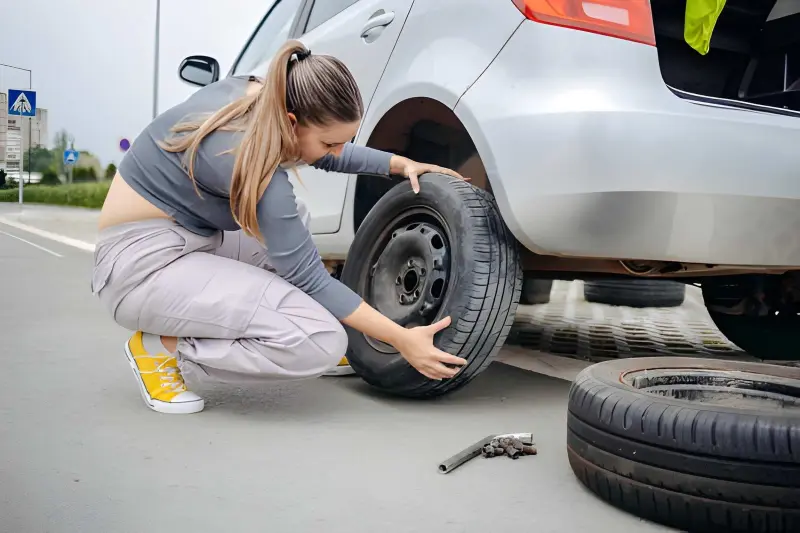
Short answer: If you’ve lost your locking wheel nut key, you still have options — you can try to source a replacement key using your wheel’s unique code, or have a specialist mechanically remove the locking nut without one. In most cases across Warwickshire, Birmingham and Worcestershire, a mobile technician can get your wheel off within 30–45 minutes using specialist extraction tools, even without the original key.
It’s one of those problems that never announces itself until you actually need it. You go to change a tyre, rotate your wheels, or get ready for an MOT, and the little plastic key that fits your locking wheel nut is nowhere to be found. Maybe it fell out of the boot lining. Maybe it went with a previous owner’s spare parts. Maybe it’s simply vanished, the way small plastic things do. Whatever the reason, you’re now looking at a wheel you can’t legally or safely remove — and that’s a real problem if you’ve also picked up a puncture on the school run through Leamington Spa or a slow leak on the A45 near Coventry.
This guide walks through exactly what to do, in the order that actually matters: where to look, whether a replacement is realistic, and what happens when a professional has to remove the nut without a key at all.
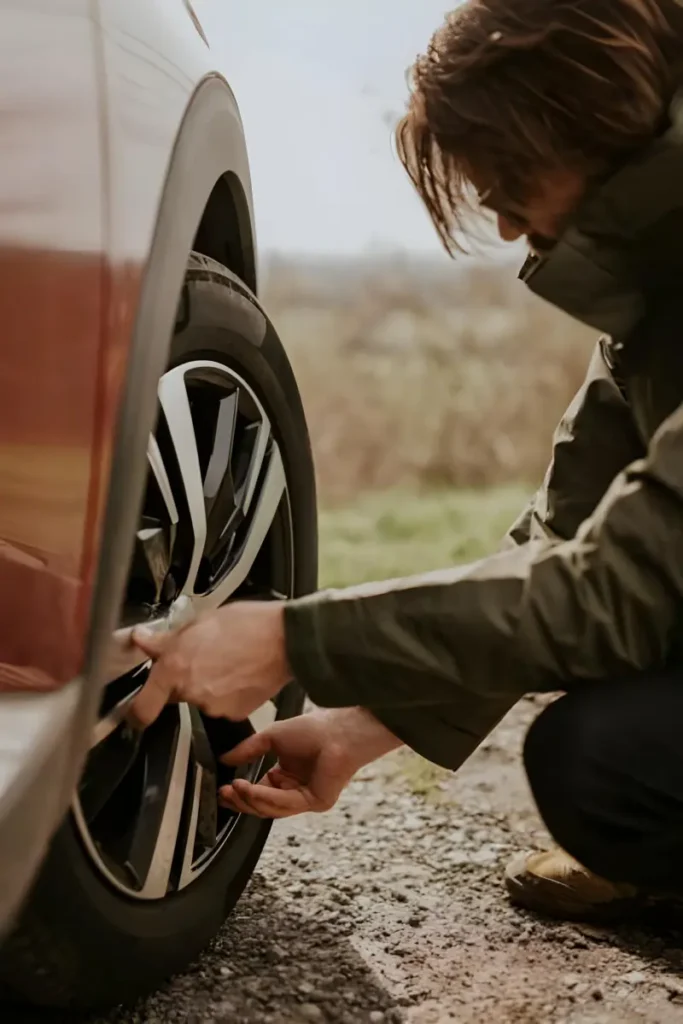
What Is a Locking Wheel Nut, and Why Does It Need a Special Key?
A locking wheel nut (sometimes called a locking wheel bolt) is a security nut with a unique, non-standard pattern on its head. Instead of a hexagonal shape a normal socket can grip, it has a custom pattern of grooves or pins that only matches one specific key. Manufacturers fit one locking nut per wheel — usually as an anti-theft measure — so a thief with a standard socket set can’t simply lift your alloys.
The trade-off is obvious: lose that one key, and you lose the only “official” way to remove that wheel.
Where to Look Before You Assume It’s Gone
Before booking anyone out, it’s worth a proper search. In our experience doing mobile callouts across Birmingham and the wider Midlands, the key turns up in one of these spots more often than people expect:
- The boot floor, under the spare wheel or lining — the single most common spot.
- The glovebox, often loose among other bits.
- A previous service invoice wallet or the little zip pouch that comes with the car’s toolkit.
- Handed over separately when you bought the car — check emails, key cabinets, or a drawer at home rather than the car itself.
- On a second keyring — some owners keep it with a spare fob rather than in the vehicle.
If you’ve genuinely searched all of the above and it’s not turning up, move on to the next step rather than losing more time — especially if you’re dealing with a flat tyre and need the car back on the road.
Can You Get a Replacement Locking Wheel Nut Key?
Yes, in many cases. Every locking nut set comes with a unique code, usually printed on a tag attached to the original key or listed on your purchase paperwork. If you have that code:
- The nut manufacturer (common brands include McGard and Trilock) can cut a replacement key by post.
- Some main dealers keep a record of the code against your vehicle registration and can order one in.
- Turnaround is typically a few days to a couple of weeks, which isn’t much help if you need the wheel off today.
The catch: if you don’t have the code — which is the case for most people who’ve lost the key itself — a replacement can’t simply be ordered. This is where a lot of drivers get stuck.
What If a Replacement Key Isn’t Available?
This is the most common scenario we see. No code, no spare, no dealer record. At this point, the wheel nut has to be removed mechanically, without relying on the original key pattern at all.
This is a specialist job, not a DIY one, for a few reasons:
- Force applied incorrectly can round off the nut, making it harder to remove.
- Universal “locking nut removal sockets” sold online are hit-and-miss and can damage the wheel if used badly.
- A slipped tool under pressure is a genuine hand and finger injury risk — this isn’t a job to attempt on a jack, at the roadside, without the right kit.
Can the Wheel Still Be Removed Without the Key?
Yes — this is what specialist locking wheel nut removal tools are built for. A trained technician uses a hardened extraction socket that grips the nut from the outside and works it loose without needing the original pattern. It’s the same principle as removing a rounded, damaged, or seized locking wheel nut, so if your nut has already been chewed up by a bad attempt with a spanner or a poor-fitting aftermarket key, the process is much the same.
Typical extraction methods include:
- Twist sockets that bite into the outer edge of the nut as they turn.
- Extraction sets matched to nut size and thread pitch.
- In more stubborn cases, drilling out the nut under controlled conditions, followed by a standard nut or bolt being fitted in its place.
This is why professional locking nut removal is almost always successful, even on a badly rounded or seized nut — it doesn’t rely on the key pattern still being intact or legible.
When Professional Removal Is Needed
You should call in a specialist rather than attempt this yourself if:
- You’ve already tried and the nut is now rounded or damaged.
- The nut looks corroded or seized, common on older vehicles or ones that spend a lot of time on salted winter roads.
- You need the car mobile again quickly — for work, school runs, or an MOT deadline.
- You don’t have access to a proper vice, extraction socket set, or safe working space.
- There’s a flat or punctured tyre on the same wheel and you need both problems solved in one visit.
What Happens During a Locking Wheel Nut Removal Job
Here’s roughly what to expect when a mobile technician attends in Birmingham, Warwickshire, or Worcestershire:
- Assessment — the technician checks the nut’s condition (rounded, seized, corroded, or simply keyless) and selects the right extraction method.
- Extraction — the nut is removed using a hardened socket or, where necessary, drilled out.
- Wheel removal and the original job completed — tyre replaced, puncture repaired, or wheel refitted as needed.
- Replacement nut fitted — most technicians carry standard replacement nuts, or can advise on sourcing a new locking set if you’d like security nuts refitted.
Most jobs are done at the roadside, at home, or at your workplace, without the car needing to go anywhere.
What If You Also Have a Flat or Punctured Tyre?
This combination is more common than you’d think — a slow puncture picked up on the A46 or a nail collected in a Solihull car park, and then discovering the locking key is missing when you go to deal with it. The good news is a mobile technician can usually handle both in the same callout: remove the locking nut, then assess whether the tyre can be repaired or needs replacing. If a repair is possible, it can often be done on the spot rather than booking a separate visit.
Local Conditions Worth Knowing
A few things we see repeatedly across our coverage area:
- Rural Warwickshire roads (around Southam, Kineton, and the villages off the A429) mean longer gaps between garages, so a mobile callout often makes more sense than trying to limp somewhere on a spare.
- Birmingham’s inner ring roads and multi-storey car parks aren’t ideal spots to attempt DIY nut removal — poor lighting and limited space make it a job better handled by someone with the right tools.
- Older vehicles common in Worcestershire’s more rural stretches tend to have more corrosion around wheel nuts, increasing the chance of a seized nut even before the key goes missing.
Common Mistakes We See
- Forcing a standard socket onto the locking nut, rounding it further before calling for help.
- Buying a cheap “universal” locking key online and using it without checking it actually fits — this frequently makes the nut harder to remove.
- Waiting until the tyre is completely flat before addressing the missing key, turning a manageable job into an emergency one.
Safety note: never attempt to drill or force a locking wheel nut yourself using a household drill or hand tools on an unsupported vehicle. A wheel that shifts while you’re working underneath it is a serious injury risk.
Cost of Locking Wheel Nut Removal
Costs vary depending on the nut’s condition and whether a callout is involved, but as a rough guide:
| Scenario | Typical Cost Range |
| Straightforward keyless removal | Lower end of the range |
| Rounded or damaged nut requiring extraction | Mid-range |
| Seized or corroded nut requiring drilling | Higher end |
| Combined with puncture repair or tyre replacement | Bundled rate, often cheaper than two separate callouts |
Get a fixed quote before work starts — a reputable mobile technician will assess the nut’s condition first rather than guessing over the phone.
Prevention Tips
- Keep the locking wheel nut key with your other essential documents, not loose in the boot.
- Note down the key’s code (usually on the tag) somewhere safe, such as a phone photo, in case you ever need a replacement ordered.
- If you buy a used car, specifically ask for the locking wheel nut key at handover — it’s one of the most commonly missing items.
- Have a seized or stiff-feeling locking nut checked at your next tyre change, before it becomes a full seizure.
When to Call a Professional in Birmingham, Warwickshire and Worcestershire
Call a specialist as soon as:
- You’ve confirmed the key is genuinely missing (not just misplaced somewhere obvious).
- You need the wheel off today, rather than waiting on a postal replacement key.
- The nut shows any sign of rounding, corrosion, or previous damage.
- You’re dealing with a flat tyre and a missing key at the same time.
Trying to push through with the wrong tools tends to cost more in the long run — both in time and in a nut that’s now genuinely stuck.
Why Choose Us for Locking Wheel Nut Removal
We attend locking wheel nut removal jobs across Birmingham, Warwickshire and Worcestershire as part of our regular mobile tyre work, which means we’re already equipped to handle a missing key alongside a puncture in a single visit. Our technicians carry a range of extraction sockets to cover different nut sizes and conditions, so most jobs are resolved in one callout without needing to book the car into a garage. We’ll always assess the nut in person and give you a clear price before starting, rather than working on guesswork.
Ready to Get Your Wheel Off?
If you’re stuck with a missing locking wheel nut key and a tyre that needs sorting, our mobile team can come to you across Birmingham, Warwickshire and Worcestershire. Visit our puncture repair page to check availability in your area and get a quote.
Nearby Areas We Cover
Beyond the main towns and cities, our mobile technicians regularly attend locking wheel nut removal and puncture jobs in the surrounding neighbourhoods and suburbs, including:
- Solihull, Sutton Coldfield, and Erdington
- Leamington Spa, Warwick, Kenilworth, and Stratford-upon-Avon
- Rugby, Bedworth, and Nuneaton
- Redditch, Bromsgrove, and Droitwich Spa
- Kidderminster, Malvern, and Worcester
- Halesowen, Stourbridge, and Dudley
- Coventry and the surrounding villages along the A45 and A46 corridors
If your area isn’t listed, get in touch — our coverage extends well beyond these core towns.
Local FAQs
Q: Can a locking wheel nut be removed without the key?
A: Yes, a specialist can remove it using a hardened extraction socket that doesn’t rely on the original key pattern.
Q: How much does it cost to remove a locking wheel nut without a key?
A: Costs depend on the nut’s condition, but it’s typically comparable to a standard mobile callout fee plus extraction time.
Q: Can I get a replacement locking wheel nut key?
A: Only if you still have the unique code, usually found on the key’s tag or your purchase paperwork.
Q: Is it safe to remove a locking wheel nut myself? A: It’s not recommended, as incorrect force can round the nut or cause injury if the wheel isn’t properly supported.
Q: How long does locking wheel nut removal take?
A: Most jobs take 30–45 minutes, depending on the nut’s condition.
Q: What if my locking wheel nut is rounded or seized?
A: A specialist extraction socket or, in stubborn cases, drilling can still remove it safely.